JohannWadephul
Federal Minister for Foreign Affairs · since 6 May 2025
A lawyer from Schleswig-Holstein who spent two decades building a reputation as the CDU's leading voice on foreign and security policy — and who in 2025 became the first Christian Democrat to lead Germany's Federal Foreign Office in almost sixty years.
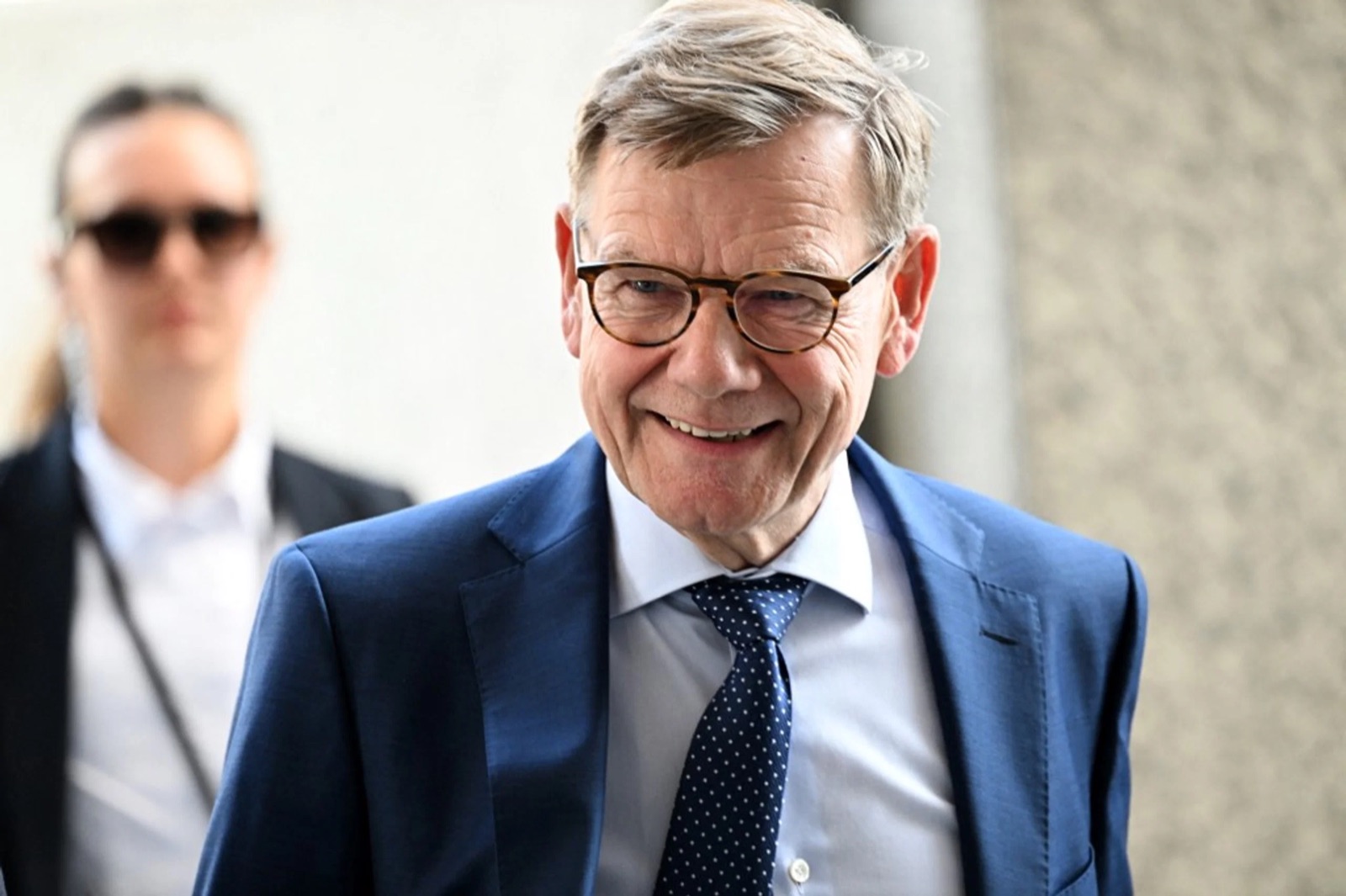
- Born
- 10 February 1963, Husum
- Party
- CDU, member since 1982
- Bundestag
- Rendsburg-Eckernförde, since 2009
- Office
- Foreign Minister, Merz cabinet
Introduction
A northern German of the Bonn-and-Berlin school: Atlanticist, firmly European, sceptical of Moscow — and a parliamentarian before he was a minister.
Johann David Wadephul was born in Husum on the North Sea coast of Schleswig-Holstein on 10 February 1963 and went to school in the neighbouring district of Dithmarschen, taking his Abitur at the Meldorfer Gelehrtenschule. After four years as a temporary-career soldier in the Bundeswehr, he studied law at the University of Kiel, qualified as a lawyer in 1995, earned a doctorate in labour law in 1996 and went on to practise as a specialist in social and medical law.
His political career began in the Junge Union and the Christian Democratic Union (CDU), both of which he joined in 1982. In Schleswig-Holstein he rose to general secretary (1997–2000) and state party chair (2000–2002) of the CDU, sat in the state parliament in Kiel from 2000 to 2009 and led the CDU parliamentary group there from 2005 — the years of the grand coalition under Minister-President Peter Harry Carstensen.
Elected to the German Bundestag in 2009 for the Rendsburg-Eckernförde constituency, Wadephul gradually specialised in foreign affairs. As deputy chair of the CDU/CSU parliamentary group responsible for foreign, defence and European security policy, he became the opposition's principal foreign-policy voice during the war in Ukraine. On 6 May 2025 he was sworn in as Federal Minister for Foreign Affairs in the government of Chancellor Friedrich Merz. This dossier sets out that record — with facts, documented positions, analysis and criticism clearly distinguished.
The full biographySix fields, one throughline
Across party office, parliament and government, Wadephul's work has returned again and again to a single question: what responsibility Germany should carry for security in Europe.
Party
CDU member since 1982; Junge Union state chair, CDU general secretary and state chair in Schleswig-Holstein; member of the CDU federal executive from 2010. CDU/CSU career
Parliament
Member of the Landtag in Kiel 2000–2009 and of the Bundestag since 2009, with service on the foreign affairs, defence and EU affairs committees. Bundestag career
Foreign policy
Rapporteur for the Middle East, the Gulf and Iran in the foreign affairs committee, later the CDU/CSU group's lead on foreign policy, and since 2025 head of the Foreign Office. Foreign policy
Defence & security
A reserve officer (lieutenant colonel) and long-standing advocate of higher defence spending and a stronger Bundeswehr. Defence & security
International affairs
Head of the German delegation to the NATO Parliamentary Assembly in the 2021–2025 Bundestag; earlier a member of the Parliamentary Assembly of the Council of Europe. International engagement
European politics
Member of the Bundestag's EU affairs committee in several legislative periods and an advocate of a more capable common European foreign and security policy. European policy
Four decades in public life
Bundeswehr
Temporary-career soldier; today a lieutenant colonel of the reserve (since 2023).
Law in Kiel
Law studies, both state examinations and a doctorate (Dr. jur.) at Christian-Albrechts-Universität zu Kiel.
Lawyer
Practice in Lübeck, then self-employed in Neumünster; specialist in social law and medical law since 2009.
CDU Schleswig-Holstein
General secretary from 1997, then state party chair from 2000 to 2002.
Landtag, Kiel
Member of the state parliament; chair of the CDU parliamentary group from April 2005.
Bundestag
Member for Rendsburg-Eckernförde; directly elected in 2009, 2013, 2017 and 2025.
Deputy group chair
Deputy chair of the CDU/CSU parliamentary group for foreign affairs, defence and European security.
NATO PA
Head of the Bundestag delegation to the NATO Parliamentary Assembly.
Foreign Minister
Federal Minister for Foreign Affairs in the Merz government since 6 May 2025.
From opposition critic to chief diplomat
For most of his Bundestag career Wadephul shaped foreign policy from the benches: first as a foreign affairs committee rapporteur for the Middle East, the Gulf and Iran, then as the CDU/CSU group's deputy chair for foreign and security policy. In opposition after 2021 he pressed the Scholz government for faster and heavier support for Ukraine and argued that Germany's "Zeitenwende" had to be matched by sustained defence investment.
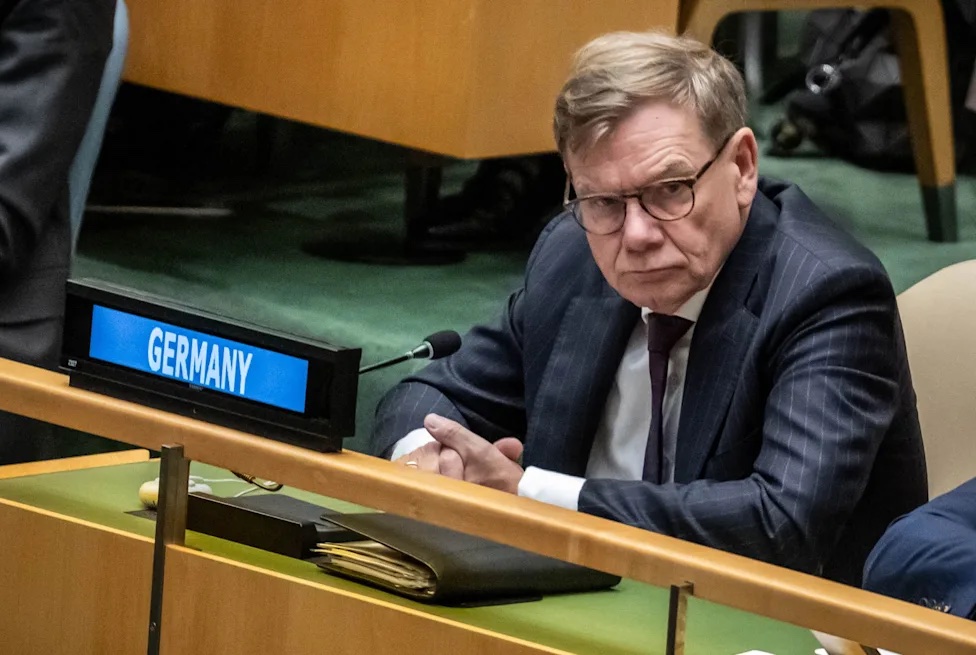
As Foreign Minister since May 2025 he has represented Germany in the European Union, NATO, the G7 and the United Nations at a time of war in Europe, conflict in the Middle East and a more transactional United States. His tenure has combined continuity — European integration, transatlantic partnership, support for Ukraine — with debates over Israel and Gaza, defence spending targets and relations with China.
A parliamentarian first
Before entering government, Wadephul spent a quarter of a century in two parliaments. The Bundestag trajectory in brief:
- 200917th Bundestag
Entry via Rendsburg-Eckernförde
Wins constituency 004 directly at the federal election of 27 September 2009. Early committee work on labour and social affairs and on EU affairs, plus membership of the Parliamentary Assembly of the Council of Europe.
- 201318th Bundestag
Into foreign affairs
Chairs the committee on election scrutiny, immunity and rules of procedure, and joins the foreign affairs committee as rapporteur for the Middle East, the Gulf and Iran.
- 201719th Bundestag
Group leadership
Becomes chair of the Schleswig-Holstein CDU members in the Bundestag and deputy chair of the CDU/CSU parliamentary group for foreign affairs, defence and European security policy.
- 202120th Bundestag
Opposition voice on Ukraine
Returns via the state list after narrowly losing the constituency; leads the German delegation to the NATO Parliamentary Assembly and the opposition's foreign-policy line during Russia's full-scale invasion of Ukraine.
- 202521st Bundestag
Re-elected, then into government
Regains the constituency directly on 23 February 2025 and keeps his seat on becoming Foreign Minister.
Between Brussels and Washington
Two commitments anchor Wadephul's thinking: a European Union that acts as a security power, and an Atlantic alliance in which Germany carries more of the burden itself.
A stronger European pillar
Closer coordination with France and Poland, a more capable EU foreign and security policy and a European defence industry able to supply Europe's own needs.
NATO at the centre
Deterrence on the alliance's eastern flank, support for the higher spending goals agreed at the 2025 Hague summit, and Germany as a dependable framework nation.
Engaging the United States
Keeping Washington committed to Europe's security while managing differences over trade, Ukraine and the international order with the Trump administration.
Major policy areas
Major policy areasFederal Minister for Foreign Affairs
Wadephul heads the Federal Foreign Office in the coalition government of CDU, CSU and SPD led by Chancellor Friedrich Merz. He was appointed and sworn in on 6 May 2025 and is the first CDU politician in the office since Gerhard Schröder, who served from 1961 to 1966. He continues to sit in the Bundestag as directly elected member for Rendsburg-Eckernförde.
How German foreign policy is made- Office
- Federal Minister for Foreign Affairs
- Since
- 6 May 2025
- Government
- Merz cabinet (CDU/CSU–SPD)
- Mandate
- Member of the Bundestag, constituency 004 Rendsburg-Eckernförde
- Party
- Christian Democratic Union (CDU)
- Reserve rank
- Oberstleutnant d.R. (lieutenant colonel of the reserve)
Milestones
Born in Husum, Schleswig-Holstein, on 10 February.
Joins the CDU and Junge Union; begins Bundeswehr service.
Elected to the Landtag; becomes CDU state chair.
Enters the Bundestag for Rendsburg-Eckernförde.
Sworn in as Federal Foreign Minister on 6 May.
From the dossier
About this site johannwadephul.com is an independent editorial profile compiled from official biographies (Bundestag, Federal Foreign Office, Federal Government), parliamentary records and reputable media. It is not an official website of Johann Wadephul, the CDU or the Federal Foreign Office. Throughout, facts, documented positions, neutral analysis and documented criticism are labelled separately.